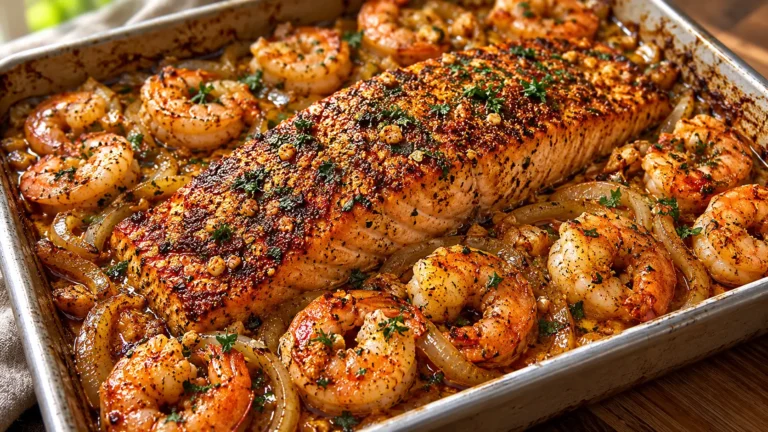
This Cajun salmon tray bake with garlic butter shrimp brings flaky, tender salmon and juicy shrimp together in one buttery, flavor-packed baking dish. Cajun spices, sweet roasted onions, fresh garlic, and a splash of lemon create a rich, glossy sauce that coats every bite. With just 15 minutes of prep, it’s an easy seafood dinner that feels special without requiring hours in the kitchen.
Quick Overview: Cajun Salmon Tray Bake
- Flavor/Texture: Buttery, garlicky, mildly spicy, and lemony, with flaky salmon, juicy shrimp, and soft roasted onions.
- Difficulty: Easy, beginner-friendly.
- Best For: Weeknight dinners, family gatherings, seafood lovers, and special occasions.
- Cooking Method: Oven-roasted salmon and shrimp in one baking dish.
- Prep Time: 15 minutes
- Cook Time: 22 minutes
- Total Time: 37 minutes
- Servings: 6
- Nutrition: Approximately 510 calories and 45g protein per serving.
What This Is and Why You’ll Love It
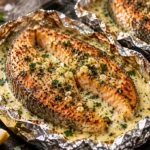
Cajun Salmon Tray Bake with Garlic Butter Shrimp is an oven-baked seafood dinner featuring a large seasoned salmon fillet surrounded by plump shrimp and tender onions.
Everything is finished with warm, lemony garlic butter for a satisfying combination of savory spice and fresh seafood flavor.
Here’s why this recipe deserves a place in your dinner rotation:
- Two seafood favorites in one dish: Salmon and shrimp create a hearty, protein-rich meal with contrasting textures.
- Rich garlic butter flavor: Melted butter, minced garlic, and lemon juice produce a glossy sauce that keeps every serving deliciously moist.
- Bold Cajun seasoning: Paprika, onion powder, garlic powder, and Cajun spices give the seafood a warm, savory coating.
- Minimal cleanup: Most of the cooking happens in a single oven-safe baking dish.
- Perfectly timed seafood: Giving the salmon a head start helps prevent the shrimp from becoming rubbery.
- Easy to customize your seafood nights: If you enjoy baked salmon dinners, you’ll also love our Garlic Butter Sheet Pan Salmon with Veggies.
Ingredients
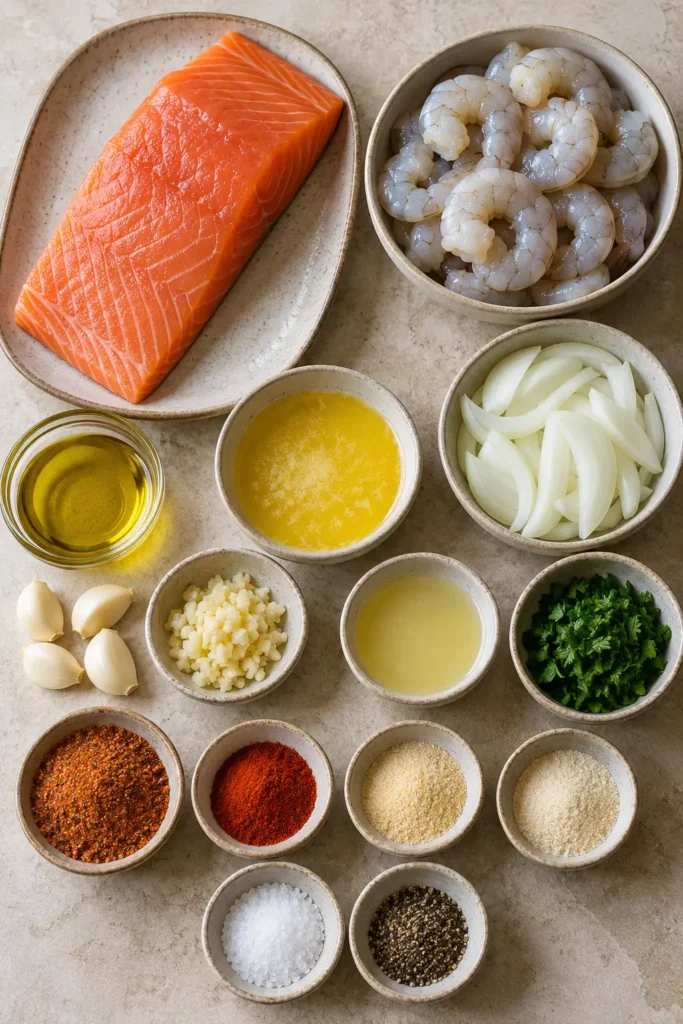
- 1 large salmon fillet, about 2 pounds
- 1 pound large shrimp, peeled and deveined
- 1 large onion, sliced
- 4 tablespoons unsalted butter, melted
- 4 cloves garlic, minced
- 2 tablespoons olive oil
- 2 teaspoons Cajun seasoning
- 1 teaspoon paprika
- 1/2 teaspoon garlic powder
- 1/2 teaspoon onion powder
- 1/2 teaspoon salt
- 1/4 teaspoon black pepper
- 1 tablespoon lemon juice
- 2 tablespoons fresh parsley, chopped
Key ingredients
Salmon fillet
A large salmon fillet forms the centerpiece of this seafood tray bake. Its naturally rich flavor pairs beautifully with Cajun seasoning and garlic butter.
Choose a fillet with even thickness when possible to encourage uniform cooking.
Large shrimp
Large shrimp provide a naturally sweet, delicate contrast to the salmon.
Peeled and deveined shrimp are convenient because they’re ready to season and roast.
Cajun seasoning
Cajun seasoning gives this dish its signature savory warmth.
The heat level depends on the seasoning blend, so choose one that matches your preferred spice level.
Unsalted butter and fresh garlic
Butter creates the rich base for the sauce, while minced garlic adds savory aroma.
Together with the pan juices, they produce a coating that’s perfect for spooning over the finished seafood.
Onion
Sliced onion forms a flavorful bed beneath the salmon.
As it roasts, the onion softens and absorbs the seasoned butter and seafood juices.
Lemon juice and parsley
Lemon adds acidity that balances the buttery richness.
Fresh parsley provides color and a clean herbal finish.
Substitutions
The original ingredient list and quantities above remain unchanged. These optional substitutions are useful when an ingredient is unavailable.
- Salmon: Use a skin-on or skinless fillet of the same weight. If using skin-on salmon, position it skin-side down.
- Shrimp: Frozen raw shrimp work well when completely thawed, peeled, deveined, and dried before cooking.
- Onion: Yellow, white, or red onion can be used in the same quantity.
- Cajun seasoning: A mild or salt-free Cajun blend can replace a hotter or saltier version using the same amount.
- Butter: A dairy-free butter alternative can be used in the same quantity, although flavor and browning may differ.
- Lemon juice: Bottled lemon juice can work in the same amount when fresh lemon juice is unavailable.
How to Make It
1. Set Up the Flavor Base
Preheat your oven to 400°F.
Spread the sliced onion evenly in a large baking dish.
Drizzle with the olive oil and toss until the onion slices are lightly coated.
Arrange the onions to create a bed for the salmon, leaving enough room around the edges for the shrimp.
Cooking cue: The onion slices should be evenly distributed rather than tightly piled together.
2. Give Everything a Buttery Coat
In a small bowl, combine the Cajun seasoning, paprika, garlic powder, onion powder, salt, and black pepper.
In a separate bowl, stir together the melted butter, minced garlic, and lemon juice.
Season the salmon and shrimp separately with the spice mixture.
Divide the prepared garlic butter between the salmon and shrimp, coating both evenly.
Place the seasoned shrimp in the refrigerator while the salmon begins roasting.
Cooking cue: The seafood should have an even coating of seasoning and glossy butter, without large clumps of dry spices.
3. Let the Salmon Get a Head Start
Place the seasoned salmon directly over the prepared onions.
Transfer the dish to the preheated oven.
Roast for 10 to 12 minutes.
If the salmon is particularly thick, it may need a few additional minutes before the shrimp are added.
Cooking cue: The salmon should begin turning opaque around the edges while the center remains partially cooked. It will finish roasting alongside the shrimp.
4. Invite the Shrimp to the Tray
Carefully remove the baking dish from the oven.
Arrange the refrigerated, seasoned shrimp around the salmon.
Pour the shrimp’s garlic butter mixture into the dish.
Return the baking dish to the oven.
Roast for another 6 to 10 minutes, depending on the size of the shrimp and thickness of the salmon.
The seafood is ready when:
- The shrimp are pink, opaque, and curled into a loose C shape.
- The salmon flakes easily when gently tested with a fork.
- The thickest part of the salmon reaches 145°F on an instant-read thermometer.
Important: Avoid continuing to roast once the shrimp are fully cooked. Overcooked shrimp become firm and rubbery. If the shrimp finish before the salmon, remove them to a clean plate and let the salmon finish cooking.
5. Spoon on the Good Stuff
Remove the baking dish from the oven.
Scatter the chopped fresh parsley over the hot salmon and shrimp.
Spoon the warm garlic butter and pan juices over the seafood.
Serve immediately with the softened roasted onions.
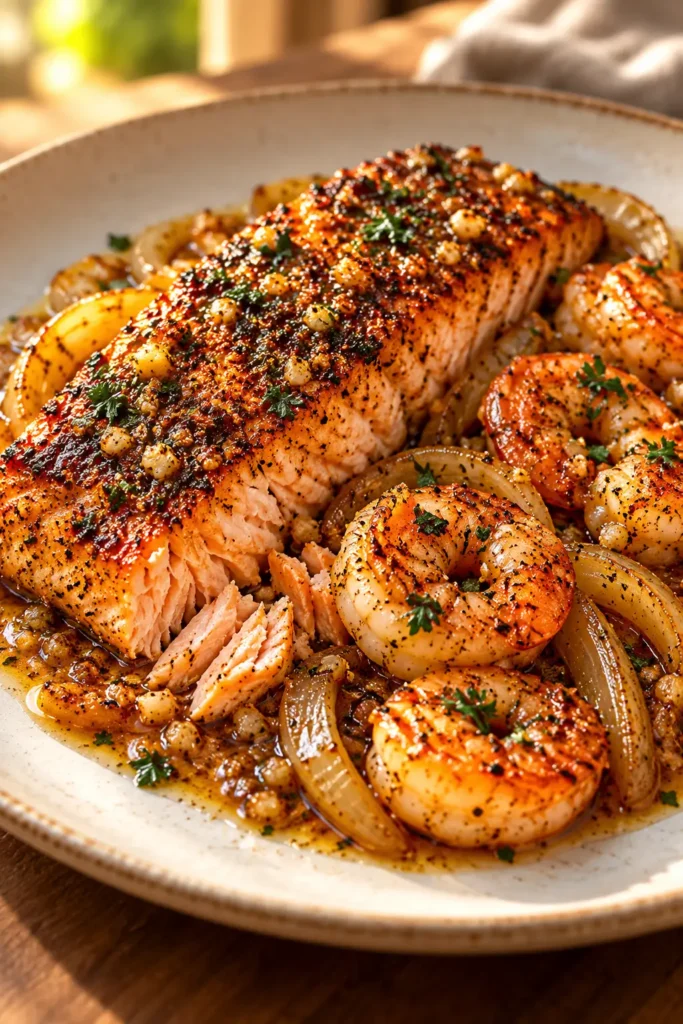
Serving cue: The salmon should be moist and flaky, the shrimp plump and tender, and the garlic butter warm and glossy.
Pro Tips
- Pat the seafood dry: Removing excess surface moisture helps the Cajun seasoning and garlic butter coat the salmon and shrimp more evenly.
- Choose an appropriately sized dish: A large baking dish gives the shrimp room to roast without excessive crowding.
- Keep the shrimp refrigerated: Because the salmon starts cooking first, keeping the shrimp cold until needed helps maintain food safety and freshness.
- Check the salmon’s thickness: A thick fillet may require a slightly longer head start, while a thinner fillet may cook faster.
- Use an instant-read thermometer: Checking the thickest part of the salmon is more reliable than judging doneness by color alone.
- Watch the shrimp closely: Shrimp can go from tender to rubbery quickly. Start checking at the beginning of the final roasting window.
- Be mindful of Cajun seasoning salt: Some commercial blends already contain considerable salt. A salt-free blend can be useful when following the recipe’s separate salt measurement.
- Serve with the pan juices: The warm butter contains garlic, spices, lemon, and flavorful juices released during roasting.
For another way to enjoy tender, garlicky shrimp, explore our Garlic Butter Shrimp recipe.
Variations
1. Mild Cajun Salmon and Shrimp
Choose a mild Cajun seasoning blend while keeping the same listed amount.
This provides the signature seasoned flavor without making the seafood overly spicy.
2. Smoky Paprika Version
Use smoked paprika in place of regular paprika, keeping the same measurement.
This variation introduces a deeper smoky flavor that complements the garlic butter.
3. Individual Salmon Portions
Cut the large salmon fillet into individual portions before roasting.
Arrange them over the onions and follow the same general cooking method, checking doneness sooner if the portions are thinner.
This presentation makes serving a group especially convenient.
4. Family-Style Seafood Platter
Keep the salmon fillet whole and arrange the cooked shrimp around it on a large serving platter.
Spoon the softened onions and warm garlic butter over everything just before serving.
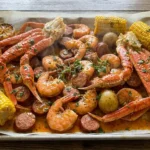
For a different Cajun-inspired seafood centerpiece, try our Cajun Seafood Boil with Garlic Butter Sauce.
What to Serve With It
Cajun salmon and garlic butter shrimp have rich, savory flavors, so simple sides that absorb the sauce or provide a fresh contrast work especially well.
Here are eight delicious options:
- Steamed jasmine rice: Soft, fluffy rice catches the lemon garlic butter beautifully.
- Creamy mashed potatoes: A comforting base that pairs with both salmon and shrimp.
- Roasted asparagus: Tender asparagus brings a slightly earthy flavor to balance the seafood.
- Steamed green beans: A simple green vegetable that keeps the meal fresh and colorful.
- Lemon herb couscous: Light, fluffy couscous complements the citrus and spice.
- Warm crusty bread: Perfect for soaking up every spoonful of garlicky pan juices.
- Cucumber and tomato salad: Cool, crisp vegetables balance the richness of the butter.
- Southern-style green bean casserole: For a heartier family dinner, serve alongside our Green Bean Casserole Recipe.
Best pairing: Jasmine rice with a crisp green salad creates a satisfying meal without overwhelming the seafood.
Storage
Refrigeration
Allow leftovers to cool briefly, then transfer the salmon, shrimp, and onions to an airtight container.
Refrigerate within two hours of cooking and enjoy within 2 days for the best seafood quality.
Include a small amount of the garlic butter pan juices to help protect the seafood from drying out.
Reheating
Reheat gently in a covered oven-safe dish at approximately 300°F until thoroughly heated.
You can also microwave individual portions at reduced power in short intervals, checking frequently to avoid overcooking.
For food safety, reheat leftovers to 165°F.
Shrimp can become chewy if repeatedly heated, so reheat only the portions you plan to eat.
Freezing
Freezing the finished dish is possible, but it is not ideal for texture.
Cooked shrimp may become firmer after thawing, and salmon can lose some of its moisture.
For the best results, enjoy this tray bake freshly prepared or refrigerated.
Make-Ahead Preparation
You can slice the onion and prepare the dry seasoning blend ahead of time.
Keep seafood refrigerated and separate until you are ready to assemble and cook the recipe.
Troubleshooting
- Shrimp are rubbery: They were likely cooked too long. Add them only after the salmon’s initial roasting period and check them early during the final cooking stage.
- Salmon is dry: The salmon may be thinner than expected or have roasted too long. Monitor the thickest section and stop cooking at the correct internal temperature.
- Onions are still firm: They may be sliced too thickly or piled together. Slice evenly and spread them across the baking dish so they soften during roasting.
- Garlic tastes bitter: Small pieces of garlic can scorch if exposed to intense direct heat. Keep the minced garlic mixed into the butter rather than leaving dry clumps on the hot dish.
- The dish tastes too salty: Some Cajun blends contain added salt. Choose a mild salt-free Cajun seasoning next time while retaining the recipe’s listed salt quantity.
- The seafood releases too much liquid: Excess moisture from thawed seafood can dilute the garlic butter. Thaw completely and pat both salmon and shrimp dry before seasoning.
FAQs
1. Can I use frozen shrimp for this Cajun salmon tray bake?
Yes. Frozen raw shrimp work very well.
Thaw them completely in the refrigerator, peel and devein if needed, and pat them dry before adding the seasoning and garlic butter.
Avoid adding frozen shrimp directly to the tray because they may release excess liquid and require a different cooking time.
2. How do I know when salmon and shrimp are fully cooked?
The salmon should reach an internal temperature of 145°F at its thickest point.
Cooked shrimp should appear pink and opaque, with a gently curved shape.
For precise food safety, shrimp can also be checked for an internal temperature of 145°F.
3. Can I prepare this recipe ahead of time?
Yes, you can prepare several components ahead.
Slice the onion, mix the dry seasonings, and refrigerate the seafood until needed.
For the best texture, assemble and roast the dish shortly before serving.
4. Is Cajun salmon with garlic butter shrimp spicy?
It depends on your Cajun seasoning.
Some blends contain more cayenne pepper than others.
The paprika, butter, and lemon help balance the seasoning, creating a flavorful dish that can range from mild to moderately spicy.
5. Can I cook the salmon and shrimp at the same time?
It’s better to give the salmon a head start.
A large salmon fillet typically needs more time to cook than large shrimp.
Roasting the salmon first, then adding the shrimp, helps both reach the proper doneness without overcooking the shrimp.
6. Can I use skin-on salmon?
Absolutely.
Place the salmon skin-side down over the onion slices.
The skin can help hold the fillet together during roasting and can be separated from the flesh when serving if preferred.
7. Can I make this recipe on a sheet pan instead of a baking dish?
Yes, use a large rimmed sheet pan that can hold the butter and seafood juices without spilling.
A baking dish with higher sides is particularly convenient because it collects more of the flavorful garlic butter sauce.
8. What is the best way to keep the salmon moist?
Avoid overcooking, use a thermometer, and keep the salmon coated with the prepared garlic butter.
The onion layer also provides moisture as it softens beneath the fish.
Spoon the warm pan juices over the salmon immediately before serving for additional flavor and moisture.
Conclusion
This Cajun salmon tray bake with garlic butter shrimp combines tender seafood, warm Cajun spices, sweet onions, and a glossy lemon garlic butter sauce in one satisfying dinner.
With 37 minutes from preparation to serving, it’s a flavorful option for busy weeknights and family seafood nights.
Save this recipe, serve it with your favorite sides, and don’t forget to spoon that delicious garlic butter over every plate!
Follow Us
Love easy seafood recipes, creamy dinners, and quick weeknight meals?
👉 Follow us on Facebook for daily viral recipes and cooking inspiration
👉 Save your favorite recipes on Pinterest for easy meal planning and seafood ideas
Cajun Salmon Tray Bake with Garlic Butter Shrimp
Equipment
- Oven Preheated to 400°F for roasting.
- Large baking dish Holds the onion bed, salmon, shrimp, and garlic butter.
- 2 bowls One for mixing seasonings and a separate bowl for garlic butter.
- Refrigerator Keeps the seasoned shrimp cold until they are added.
- instant-read thermometer Checks salmon at its thickest part for 145°F.
- fork Tests whether the salmon flakes easily.
- Clean plate For holding the shrimp if they finish before the salmon.
Ingredients
- 1 large salmon fillet, about 2 lb
- 1 lb large shrimp, peeled and deveined
- 1 large onion, sliced
- 4 tbsp unsalted butter, melted
- 4 cloves garlic, minced
- 2 tbsp olive oil
- 2 tsp Cajun seasoning
- 1 tsp paprika
- 1/2 tsp garlic powder
- 1/2 tsp onion powder
- 1/2 tsp salt
- 1/4 tsp black pepper
- 1 tbsp lemon juice
- 2 tbsp fresh parsley, chopped
Instructions
- Preheat the oven to 400°F. Spread the sliced onion evenly in a large baking dish, drizzle with olive oil, and toss until lightly coated. Arrange the onion in an even layer to form a bed for the salmon, leaving room around the edges for the shrimp; avoid tightly piling the onion slices.
- In a small bowl, combine Cajun seasoning, paprika, garlic powder, onion powder, salt, and black pepper. In a separate bowl, stir together the melted butter, minced garlic, and lemon juice. Season the salmon and shrimp separately with the spice mixture, then divide the garlic butter between them and coat evenly. Refrigerate the seasoned shrimp while the salmon begins roasting. The seafood should be evenly seasoned and glossy, without clumps of dry spices.
- Place the seasoned salmon over the onions and transfer the dish to the preheated oven. Roast for 10 to 12 minutes. A particularly thick salmon fillet may need a few additional minutes before the shrimp are added. The salmon should turn opaque around the edges while remaining partially cooked in the center.
- Carefully remove the baking dish from the oven. Arrange the refrigerated, seasoned shrimp around the salmon and pour the shrimp’s garlic butter mixture into the dish. Return to the oven and roast for another 6 to 10 minutes, depending on shrimp size and salmon thickness. The shrimp should be pink, opaque, and curled into a loose C shape; the salmon should flake easily with a fork and reach 145°F at its thickest part on an instant-read thermometer. Avoid overcooking the shrimp. If they finish before the salmon, transfer them to a clean plate and allow the salmon to finish cooking.
- Remove the baking dish from the oven. Scatter the chopped fresh parsley over the salmon and shrimp, spoon the warm garlic butter and pan juices over the seafood, and serve immediately with the softened roasted onions. The salmon should be moist and flaky and the shrimp plump and tender.
Notes
Nutrition
All nutritional information is based on third party calculations and is only an estimate. Each recipe’s nutritional value will vary depending on the ingredients used, measuring methods, and portion sizes.