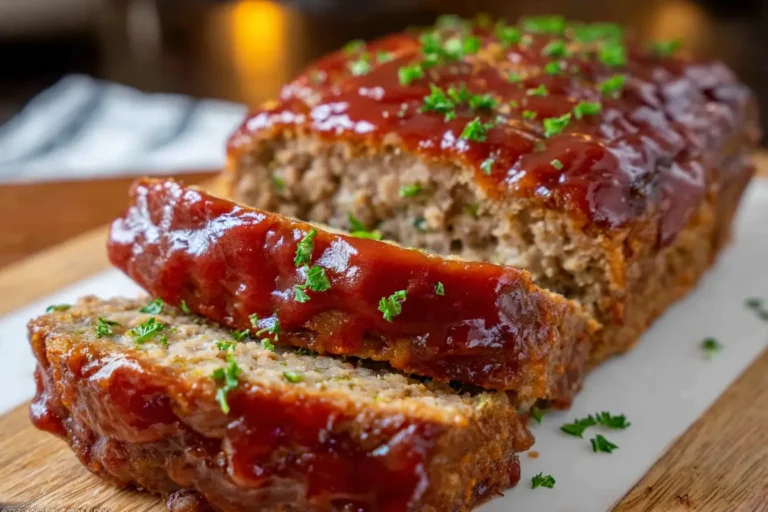
Craving a hearty dinner that feels like home but fits your gluten-free lifestyle? This gluten free meatloaf recipe brings together juicy beef, warm spices, and a perfectly balanced glaze that’s both tangy and sweet. You don’t need fancy ingredients or a chef’s touch, just a few pantry staples and smart swaps to make a traditional favorite completely gluten-free.
In this guide, you’ll learn everything you need to make meatloaf tender and moist, even without gluten. From choosing the right binders to baking at the perfect temperature, we’ll cover every trick for success. Plus, you’ll get serving ideas, storage tips, and expert advice on freezing leftovers without losing flavor.
Learn more about delicious gluten-free comfort dishes like our gluten-free pancakes recipe before you start cooking your next family favorite. Let’s jump right into what makes gluten-free meatloaf so satisfying and how you can master it at home.
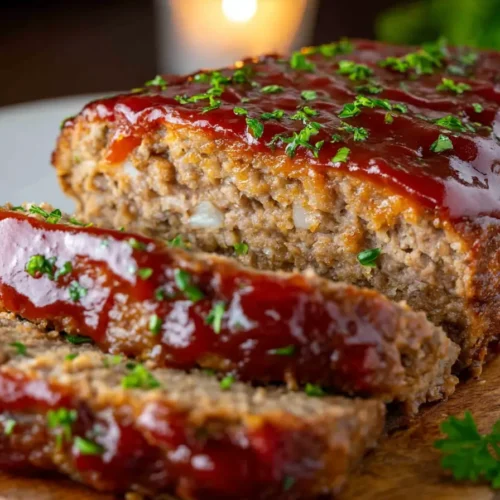
Gluten Free Meatloaf
Equipment
- large mixing bowl
- loaf pan or baking sheet
- meat thermometer
- small bowl
- spatula or spoon
Ingredients
- 1.5 lb lean ground beef (90% lean)
- 1 cup gluten-free breadcrumbs
- 1/4 cup almond flour
- 1 egg
- 1/2 cup unsweetened almond milk
- 1 tbsp gluten-free Worcestershire sauce
- 1 tsp garlic powder
- 1 tsp onion powder
- 1 tsp dried parsley
- 1/2 tsp paprika
- 1/2 tsp salt
- 1/2 tsp black pepper
- 3/4 cup gluten-free ketchup (for glaze)
- 1/4 cup brown sugar (for glaze)
- 1/2 tsp Dijon mustard (or ground mustard, for glaze)
Instructions
- Preheat oven to 350°F (175°C). Line a loaf pan with parchment paper or lightly grease it.
- In a large bowl, whisk together almond milk, egg, and Worcestershire sauce. Stir in gluten-free breadcrumbs and almond flour. Let sit 5 minutes.
- Add ground beef, garlic powder, onion powder, parsley, paprika, salt, and pepper. Mix gently by hand until just combined.
- Shape the meat mixture into a loaf and place it into the prepared pan or on a lined baking sheet for crispier edges.
- Mix ketchup, brown sugar, and mustard in a small bowl. Spread half of the glaze over the unbaked loaf.
- Bake for 45 minutes. Then remove and spread the remaining glaze over the top.
- Return to oven and bake for another 30 minutes or until internal temp reaches 160°F (71°C).
- Let the meatloaf rest for 10 minutes before slicing. Serve warm with your favorite gluten-free sides.
Notes
Nutrition
All nutritional information is based on third party calculations and is only an estimate. Each recipe’s nutritional value will vary depending on the ingredients used, measuring methods, and portion sizes.
Understanding Gluten Free Meatloaf Basics
What Makes Meatloaf Gluten Free?
Traditional meatloaf relies on breadcrumbs or crackers as binders to hold the meat together and keep it moist. But for anyone sensitive to gluten or diagnosed with celiac disease, those ingredients are off-limits. A gluten free meatloaf simply replaces those binders with gluten-free alternatives, like certified gluten-free oats, almond flour, or crushed gluten-free crackers.
These substitutes not only mimic the texture of breadcrumbs but also add flavor and nutritional value. For instance, oats add natural sweetness and fiber, while almond flour gives the loaf a subtle nutty taste and moisture. By pairing them with quality ground beef and the right liquid ingredients, you’ll never miss the gluten.
Another hidden source of gluten is sauces. Standard Worcestershire sauce, soy sauce, or pre-mixed seasonings can contain wheat. The trick? Always check labels or use gluten-free certified sauces. Many brands now offer gluten-free versions that taste identical to traditional ones, so you can enjoy all the flavor without the worry.
Key Benefits of Gluten Free Meatloaf for Your Diet
Making meatloaf gluten-free doesn’t just protect you from gluten, it can make the meal healthier overall. A gluten free meatloaf typically uses less processed ingredients and more whole-food substitutes like vegetables, oats, or nut flours. These provide extra nutrients, fiber, and healthy fats that help balance the dish.
Another advantage is digestibility. Many people find gluten-free meals easier on the stomach, especially when made with whole ingredients instead of processed fillers. Plus, gluten-free cooking encourages creativity, you’ll experiment with spices, sauces, and sides that make every bite interesting.
Whether you’re eating gluten-free by choice or necessity, this meatloaf proves that comfort food doesn’t have to be complicated. It’s just as rich, hearty, and flavorful as the version you grew up with, only friendlier to your body.
Essential Ingredients for Perfect Gluten Free Meatloaf
Choosing the Right Meat and Gluten-Free Breadcrumbs
The heart of a great gluten free meatloaf is the meat itself. Most cooks use lean ground beef (90% lean or higher) for the perfect balance of juiciness and structure. Ground turkey or pork can also work, but beef offers the best texture and classic flavor.
What truly defines this dish, however, is the binder. Since gluten-based breadcrumbs are off the table, you’ll need gluten-free alternatives that can hold moisture and flavor just as well. Here are some tried-and-true options:
| Gluten-Free Binder | Texture | Flavor Profile | Best For |
|---|---|---|---|
| Gluten-free breadcrumbs | Classic crumb structure | Neutral | Closest to traditional texture |
| Rolled oats (GF certified) | Light and fluffy | Slightly sweet | Adds fiber and soft texture |
| Almond flour | Fine and rich | Nutty | Enhances moisture and taste |
| Crushed gluten-free crackers | Crunchy | Savory | Adds extra flavor depth |
If you want that authentic “old-school” meatloaf bite, a blend of gluten-free breadcrumbs and almond flour works beautifully. You can find pre-made gluten-free breadcrumb mixes in most grocery stores, or make your own at home using leftover gluten-free bread.
When it comes to seasoning, don’t hold back. Garlic powder, onion powder, thyme, paprika, and dried parsley all work wonders to replicate the comforting aroma of the traditional version. And remember, salt enhances flavor, but balance it carefully with the glaze’s sweetness.
Need another cozy beef idea? Discover great ideas like French onion meatballs for more juicy, gluten-free dinner inspiration.
Binders and Moisture Boosters
Keeping your gluten free meatloaf tender and juicy depends on how you handle moisture. Gluten-free binders can sometimes make the mixture dense, so the right balance of wet and dry ingredients is key. Here’s how to get it right every time:
- Use milk or dairy-free milk: Unsweetened almond, oat, or coconut milk works well to moisten the mixture without overpowering the flavor.
- Add an egg (or substitute): The egg acts as a binder and moisture seal. For egg-free versions, try flaxseed or chia eggs, both are gluten-free and plant-based.
- Don’t overmix: Mix the ingredients gently until combined. Overworking the meat can result in a tough texture.
- Let it rest before baking: Allowing the mixture to sit for a few minutes helps the oats or crumbs absorb moisture evenly, preventing dryness.
If you want extra juiciness, you can finely grate carrots or zucchini into the mix. These veggies release natural moisture during baking and make the loaf extra soft without changing the taste.
For a little flavor upgrade, try swapping regular ketchup for a smoky barbecue sauce in the glaze, just be sure it’s labeled gluten-free.
By understanding these ingredient principles, you’ll never have to settle for dry or crumbly gluten free meatloaf again.
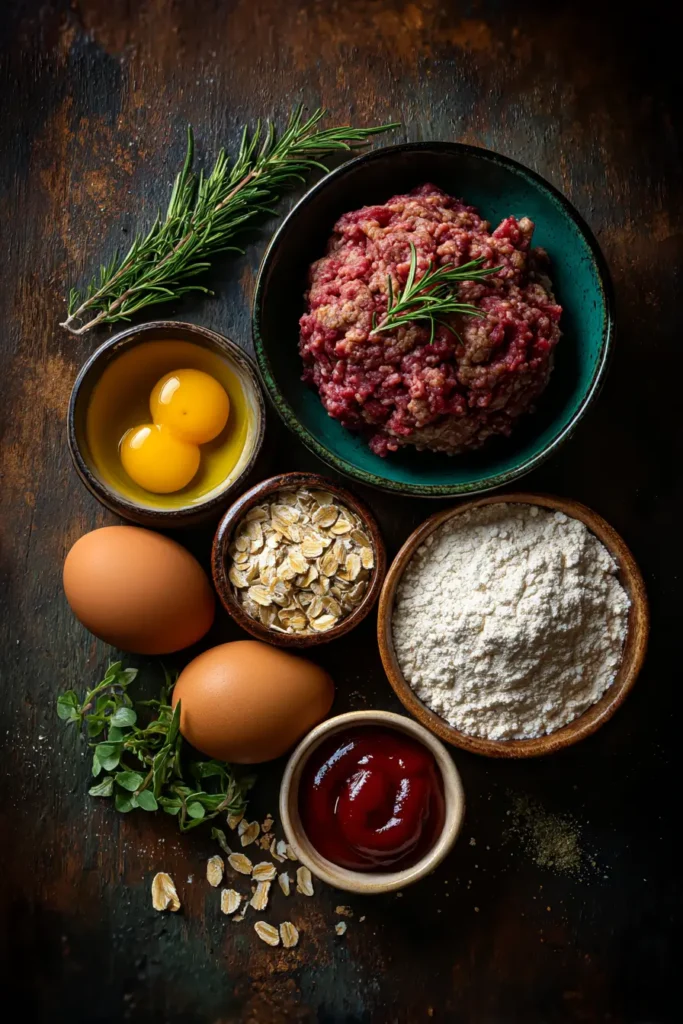
Step-by-Step Guide to Making Gluten Free Meatloaf
Mixing and Forming the Loaf
Making a juicy, tender gluten free meatloaf starts long before it hits the oven. The key is how you mix and shape your ingredients. Start by whisking together your wet ingredients, milk, egg (or substitute), and gluten-free Worcestershire sauce, in a large bowl. Then stir in your gluten-free breadcrumbs or oats, allowing them to soak for a few minutes. This step gives your loaf structure and prevents it from drying out.
Next, add your ground beef and seasoning blend. Use your hands to combine everything gently. Overmixing can make the meatloaf dense, so think of it as folding rather than stirring. The mixture should be sticky but still easy to shape. If it feels too wet, sprinkle in a bit more almond flour or oats until it holds together.
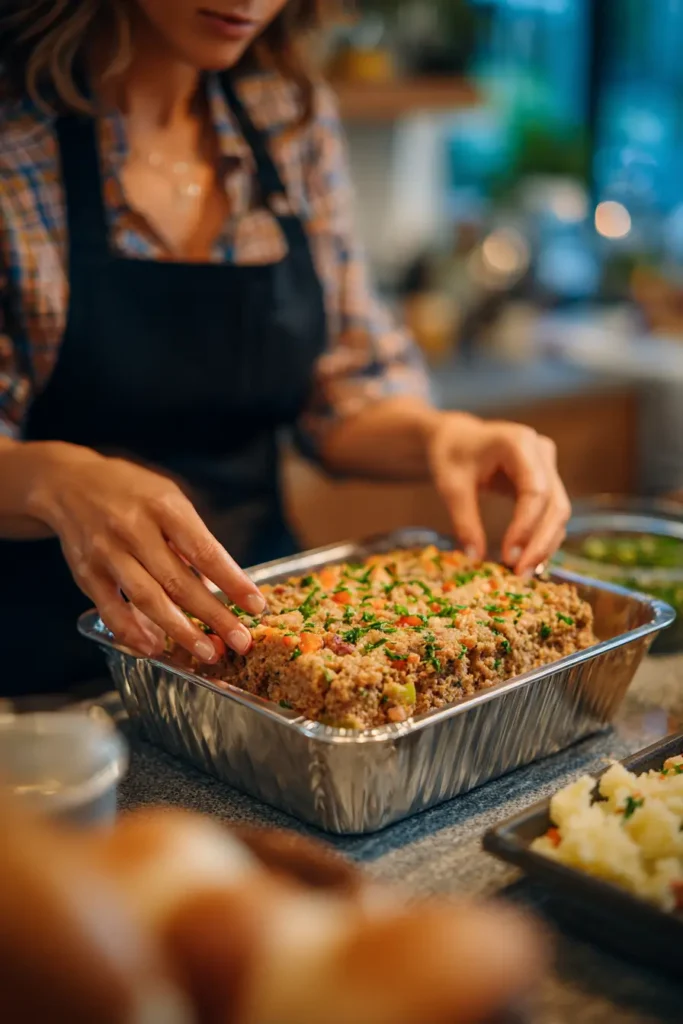
Once combined, shape the mixture into a log or press it evenly into a loaf pan lined with parchment paper. For those who prefer a crispier edge, form the loaf freehand on a baking sheet instead. This allows heat to circulate evenly, creating a beautiful crust all around.
Before baking, spread a light layer of glaze over the top, this helps it stay moist and develop that glossy finish everyone loves. The rest of the glaze will go on later during baking.
Baking and Temperature Tips for Perfect Doneness
Baking a gluten free meatloaf is simple, but a few details make the difference between perfection and disappointment. Always preheat your oven to 350°F (175°C). Bake your loaf on the middle rack so the heat distributes evenly. If your loaf is in an 8×4-inch pan, it will take about 1 hour and 15 minutes to cook through.
The most important step? Check the internal temperature with a meat thermometer. Your gluten free meatloaf is fully cooked when it reaches 160°F (71°C). If it’s a bit pink inside but hits that temperature, it’s safe to eat.
Halfway through baking, brush on another coat of glaze. This second layer locks in flavor and gives your loaf that rich, caramelized finish. When done, let it rest for at least 10 minutes before slicing, this allows the juices to redistribute, keeping every slice moist.
If you’re new to baking comfort food classics, you’ll love our crockpot beef stroganoff for another hearty, gluten-free dinner idea that’s just as easy to master.
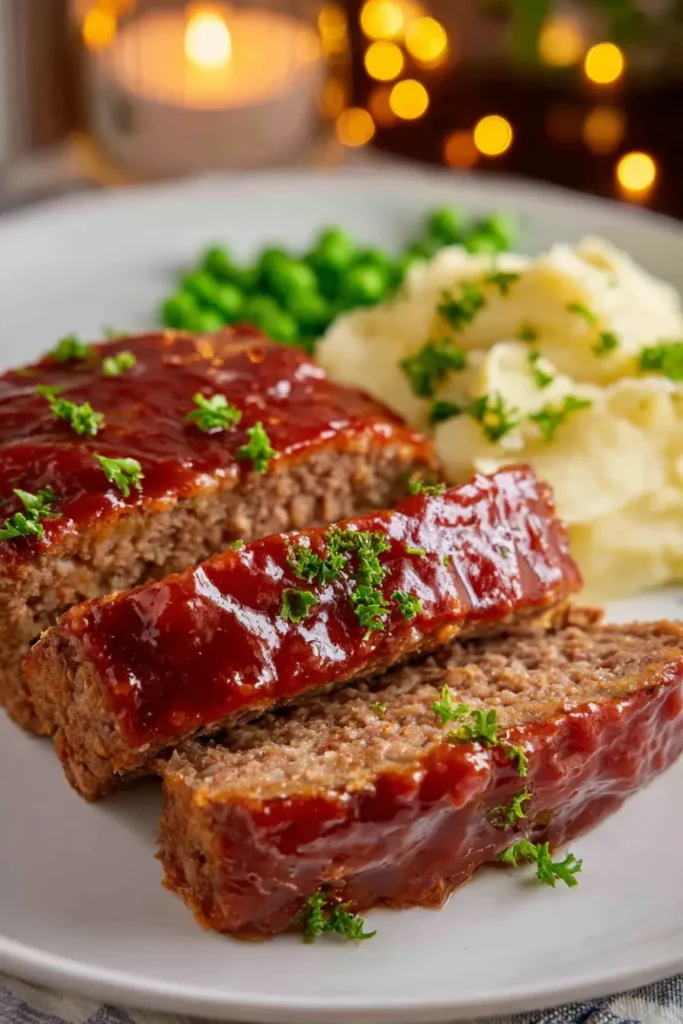
For best texture, avoid slicing while hot, it can crumble easily. Instead, let it firm slightly as it cools, then serve it warm with mashed potatoes or veggies.
Creating the Ultimate Gluten Free Glaze
Classic Sweet and Tangy Glaze Recipe
No gluten free meatloaf is complete without a glossy, flavorful glaze. It’s the finishing touch that balances savory meat with a sweet, tangy kick. The classic version uses just a few simple ingredients you probably already have:
Ingredients for Traditional Gluten-Free Glaze:
- ¾ cup ketchup (ensure it’s gluten-free certified)
- ¼ cup brown sugar
- ½ teaspoon ground mustard or Dijon mustard
- Optional: a dash of gluten-free Worcestershire sauce for extra depth
Directions:
- In a small bowl, whisk together all ingredients until smooth.
- Spread half the glaze evenly over the top of the unbaked loaf.
- Bake your gluten free meatloaf for about 45 minutes, then brush on the remaining glaze.
- Return it to the oven for another 20–30 minutes, allowing the sugar to caramelize and the sauce to thicken.
This two-step glazing method creates that signature sticky crust on top, locking in flavor and moisture. The result is a loaf that’s beautifully golden, with just the right amount of sweetness to complement the savory base.
Creative Variations for Different Flavor Profiles
Once you’ve mastered the classic glaze, it’s easy to experiment with flavors to match your mood or occasion. Here are some of the most popular gluten-free glaze variations to try:
| Glaze Style | Key Ingredients | Flavor Notes | Best With |
|---|---|---|---|
| Smoky BBQ Glaze | BBQ sauce, honey, garlic powder | Sweet and smoky | Perfect for backyard dinners |
| Honey Mustard Glaze | Dijon mustard, honey, apple cider vinegar | Tangy and light | Great with turkey meatloaf |
| Spicy Tomato Glaze | Ketchup, chili paste, smoked paprika | Bold and zesty | Ideal for those who love heat |
| Maple Balsamic Glaze | Maple syrup, balsamic vinegar, thyme | Rich and aromatic | Adds a gourmet touch |
Each glaze variation gives your gluten free meatloaf a new twist without complicating the recipe. You can even make multiple versions at once, one for kids, one for adults, for a fun and flexible dinner spread.
Don’t miss our crockpot chicken and dumplings if you’re in the mood for another sweet-and-savory comfort food classic. The slow-cooked texture and creamy broth make it a perfect side or next-day meal companion to your meatloaf.
Remember, the key is balance. Too much glaze can overpower the dish, while too little can make it dry. Aim for a thin, even layer that caramelizes gently as it bakes.
Common Mistakes and How to Avoid Them
Why Gluten Free Meatloaf Falls Apart (and Fixes)
Even experienced cooks sometimes struggle with their gluten free meatloaf falling apart. The culprit is almost always an imbalance of moisture and binders. Gluten helps traditional meatloaf hold together, so without it, you must rely on alternative ingredients and proper ratios.
If your loaf crumbles or breaks when slicing, here’s what might be going wrong, and how to fix it:
- Too little binder: If you skimp on gluten-free breadcrumbs or oats, the mixture won’t have enough structure. Add ¼ to ½ cup more binder and let it rest before baking.
- Overmixing: Working the meat too much breaks down proteins, making the loaf dense and crumbly. Mix gently with your hands until combined.
- Cutting too early: Always rest the meatloaf for at least 10 minutes after baking. This allows juices to redistribute and the loaf to firm up naturally.
- Too dry: Gluten-free ingredients absorb more liquid than wheat-based ones, so don’t hesitate to add a splash more milk or sauce if the mixture feels stiff.
A great tip: test a small piece of the mixture in a skillet before baking the whole loaf. This lets you adjust the seasoning and texture before committing to the oven.
Keeping It Moist Without Dairy or Eggs
If you’re making an allergen-friendly version of gluten free meatloaf, you can still keep it moist and delicious without dairy or eggs. The secret lies in natural moisture boosters and creative substitutions that mimic their binding power.
Egg Alternatives:
- Flax egg: Combine 1 tablespoon ground flaxseed with 3 tablespoons water. Let it sit for 10 minutes until thick.
- Chia egg: Mix 1 tablespoon chia seeds with 2½ tablespoons water. Ideal for a firmer loaf texture.
- Mashed potato: Adds binding power and creamy texture while keeping the loaf moist.
Dairy-Free Substitutes:
- Unsweetened almond milk or oat milk offers a neutral flavor and softens the loaf perfectly.
- Coconut milk adds subtle richness, great for a more tender texture.
- Broth or tomato puree can replace milk entirely if you prefer a savory twist.
Don’t overthink substitutions. These swaps are easy and tested, they’ll deliver a moist loaf every time.
When it comes to comfort food success, one of the best ways to build confidence in gluten-free cooking is to experiment with other hearty, creamy dishes. Check out our cheesy chicken sloppy joe recipes for a fun twist on classic comfort food that’s naturally adaptable for gluten-free diets.
By following these tips, you’ll master the art of creating a meatloaf that holds together beautifully, stays moist, and impresses everyone at the table, no gluten (or stress) required.
Serving Ideas and Side Dish Pairings
Classic Comfort Sides for Meatloaf
One of the best parts about making gluten free meatloaf is how versatile it is. It pairs beautifully with nearly any comfort side, creating a complete, hearty meal that everyone at the table will enjoy. If you’re craving that nostalgic “Sunday dinner” experience, try serving your loaf with these classic gluten-free favorites:
| Side Dish | Description | Why It Works |
|---|---|---|
| Mashed potatoes | Smooth, buttery, and easy to make gluten-free | Balances the savory loaf with creamy texture |
| Green beans or peas | Light and fresh | Adds color and crunch to your plate |
| Roasted carrots or sweet potatoes | Naturally sweet | Complements the tangy glaze of the loaf |
| Cornbread (gluten-free) | Slightly crumbly and sweet | Adds variety in texture and flavor |
The key to pairing is balance. Meatloaf is rich and hearty, so lighter sides keep the meal satisfying but not heavy. Don’t forget to garnish with fresh herbs like parsley or thyme, they brighten the entire dish with freshness.
Creative Gluten-Free Side Pairings
Want to step up your gluten free meatloaf game? These creative sides add variety and nutrition while keeping your meal 100% gluten-free. They’re perfect for guests who love a twist on traditional comfort food.
- Cauliflower mash: A lower-carb alternative to potatoes with a creamy texture and mild flavor.
- Garlic herb quinoa: Adds protein and crunch while soaking up the loaf’s glaze.
- Crispy roasted Brussels sprouts: Their earthy flavor pairs perfectly with the sweetness of the meatloaf’s glaze.
- Gluten-free mac and cheese: Comfort on comfort, rich, cheesy, and completely satisfying.
Don’t miss our crockpot chicken and dumplings for another cozy dinner pairing idea. The soft, pillowy dumplings and savory broth complement your meatloaf beautifully, especially on cool nights.
When serving, slice your loaf thickly and spoon a bit of extra glaze on top for presentation. For gatherings, you can even shape mini loaves or muffins for individual portions. It’s an easy way to serve and store leftovers later.
Finally, don’t forget the sauce. A little drizzle of gluten-free gravy or extra glaze can elevate the plate and make it restaurant-worthy.
Storage, Freezing, and Reheating Gluten Free Meatloaf
How to Store Leftovers Safely
Leftovers are one of the best things about gluten free meatloaf, the flavor deepens as it sits, and it’s perfect for easy next-day meals. To keep your meatloaf fresh, proper storage is essential.
Once your loaf has cooled completely, wrap it tightly in foil or place it in an airtight container. Refrigerate within two hours of baking to prevent bacteria growth. Gluten free meatloaf will stay fresh in the refrigerator for up to 4 days.
If you prefer portioning it out, slice the loaf before storing. This makes reheating easier and faster while preventing overcooking. When storing sauce or glaze separately, refrigerate it in a small jar to drizzle fresh when reheating.
For best results, store the meatloaf on the middle shelf of the fridge, where temperature stays the most consistent. Avoid stacking heavy items on top to maintain its shape.
Freezing and Reheating Instructions
If you love meal prepping, you’ll be happy to know gluten free meatloaf freezes beautifully, both baked and unbaked. Freezing doesn’t just save time; it helps you plan ahead for busy weeks or family gatherings.
To Freeze Unbaked Meatloaf:
- Prepare the loaf as usual, but skip the glaze.
- Wrap it tightly in plastic wrap, then foil, to prevent freezer burn.
- Label it with the date and freeze for up to 3 months.
- When ready to bake, thaw it in the refrigerator overnight, top with glaze, and bake as directed.
To Freeze Baked Meatloaf:
- Let the cooked loaf cool completely.
- Slice it for easy reheating or freeze whole.
- Wrap tightly in foil or store in a freezer-safe container.
- Thaw overnight in the fridge before reheating.
Reheating Tips:
- Oven Method (best): Warm at 325°F for 20–25 minutes, covered with foil to retain moisture.
- Microwave Method: Reheat individual slices on medium power in 45-second intervals until warm.
- Skillet Method: Reheat slices with a splash of broth for a crisp edge and juicy texture.
Looking for inspiration? Try our how to make kasha low carb recipe for another wholesome, meal-prep-friendly option that pairs beautifully with your meatloaf.
By storing and reheating properly, you’ll enjoy your gluten free meatloaf just as fresh and flavorful as the day you made it, no dryness, no sogginess, and plenty of comfort in every bite.
PART 8: Health Benefits and Nutritional Breakdown
Macronutrients in Gluten Free Meatloaf
When made thoughtfully, gluten free meatloaf isn’t just comfort food, it’s a balanced, protein-packed meal that fits right into a healthy lifestyle. The combination of lean ground meat, gluten-free binders, and wholesome add-ins like vegetables or oats makes it filling, nourishing, and surprisingly light.
Here’s a typical nutritional snapshot per serving (based on a 4-ounce slice of beef-based gluten-free meatloaf):
| Nutrient | Amount | Benefit |
|---|---|---|
| Calories | 230–260 kcal | Provides energy without being heavy |
| Protein | 20–22 g | Builds muscle and supports metabolism |
| Fat | 10–12 g | Delivers essential fatty acids and flavor |
| Carbohydrates | 10–14 g | Mostly from gluten-free breadcrumbs or oats |
| Fiber | 1–2 g | Aids digestion and satiety |
| Iron | 2–3 mg | Supports healthy blood and oxygen flow |
| Sodium | 600–700 mg | Maintain flavor; control with low-sodium ketchup or sauces |
Since gluten-free recipes rely on whole, simple ingredients, this version avoids most additives and fillers found in prepackaged loaves. Using almond flour or oats instead of breadcrumbs boosts fiber and protein while lowering empty carbs.
To make your gluten free meatloaf even leaner, use ground turkey or a mix of beef and turkey. For more fiber, toss in shredded veggies like carrots or spinach, they blend seamlessly and enhance the nutrition profile without changing the taste.
Comparing Gluten Free vs Regular Meatloaf Nutrition
Some people assume that gluten-free recipes lack flavor or texture, but the truth is quite the opposite. When done right, gluten free meatloaf rivals the traditional version in both taste and nutrition. Here’s how they compare:
| Category | Regular Meatloaf | Gluten Free Meatloaf |
|---|---|---|
| Calories | ~280 kcal | ~250 kcal |
| Carbs | 18–20 g (from wheat breadcrumbs) | 12–14 g (from oats/almond flour) |
| Fiber | 0.5 g | 1.5 g |
| Protein | 21 g | 22 g |
| Digestibility | Moderate | Easier on digestion |
| Additives | Often includes fillers | Uses natural, clean ingredients |
In short, going gluten-free doesn’t mean giving up on your favorite comfort foods, it means upgrading them with cleaner, body-friendly ingredients that make you feel as good as they taste.
If you’re exploring more healthy comfort recipes, check out crockpot mac and cheese, a creamy, gluten-free favorite that fits beautifully into balanced, family-friendly meal planning.
By understanding the nutritional profile and benefits, you’ll appreciate that your gluten free meatloaf is not just safe for gluten-sensitive eaters, it’s an all-around smart choice for anyone looking to eat better without sacrificing flavor.
FAQs About Gluten Free Meatloaf
What can I use instead of breadcrumbs in gluten free meatloaf?
The best substitutes for breadcrumbs include certified gluten-free oats, almond flour, crushed gluten-free crackers, or even mashed potatoes. These alternatives bind the meat mixture while keeping the texture moist and tender. For extra flavor, lightly toast oats or crackers before mixing them in.
How do you keep gluten free meatloaf from falling apart?
Two key steps prevent crumbling:
Rest the mixture for 5–10 minutes before baking so your binders absorb moisture evenly.
Let the cooked loaf cool for at least 10 minutes before slicing. This helps firm it up naturally.
Avoid overmixing, gentle handling creates the best structure.
Can you make gluten free meatloaf without eggs?
Absolutely. You can replace eggs with flaxseed, chia seeds, or mashed potatoes. Each acts as a natural binder to hold everything together while keeping your meatloaf soft and juicy. Mix 1 tablespoon of flaxseed with 3 tablespoons of water to create one “flax egg.”
How do you make gluten free meatloaf moist?
Moisture is all about balance. Use a combination of eggs (or substitutes), milk or dairy-free milk, and a touch of tomato paste or ketchup in the mix. Also, avoid overbaking, check that the internal temperature hits 160°F, then let it rest before serving.
What is the best gluten free sauce or glaze for meatloaf?
A classic glaze made with ketchup, brown sugar, and mustard is always a winner. If you want something bolder, try a gluten-free barbecue glaze or a tangy honey mustard version. Just make sure all condiments are clearly labeled gluten-free to stay safe.
Can gluten free meatloaf be frozen and reheated?
Yes! You can freeze your loaf either raw or cooked. Wrap it tightly in foil and freeze for up to 3 months. To reheat, thaw overnight in the refrigerator, then warm it in the oven at 325°F until hot. This method keeps your gluten free meatloaf juicy and flavorful.
Conclusion
Making the perfect gluten free meatloaf doesn’t have to be complicated. With the right binders, balance of flavors, and attention to detail, you can enjoy a dish that’s tender, hearty, and every bit as satisfying as the traditional version. Whether you’re gluten intolerant or simply eating cleaner, this recipe proves that comfort food can be both healthy and indulgent.
For more cozy, gluten-free inspiration, don’t miss our soup with hamburger meat, another easy, family-friendly dinner that pairs beautifully with this classic loaf.
Now you’ve got everything you need: the ingredients, the method, the science behind it, and all the little secrets that make your meatloaf a guaranteed hit at every table.
Craving simple, delicious meals? Follow us on Facebook and Pinterest for the best easy recipes, casseroles, desserts, and everyday favorites!